Danish Legal Tech Startup Raises €2M: SmallClaims Wants AI Agents to Run Court Cases for Europe's Businesses

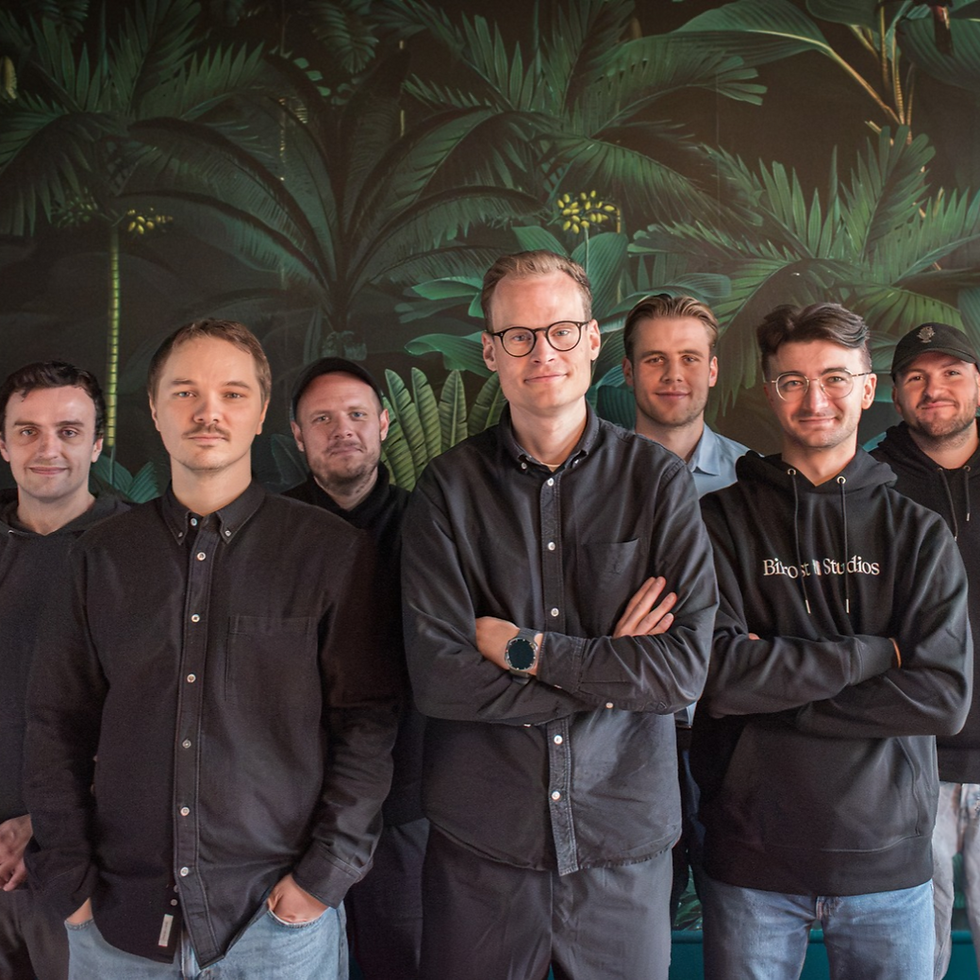
Nearly half of B2B invoices in Western Europe are paid late, with 6% written off as losses. Late payments contribute to one in four EU bankruptcies. SmallClaims, a Copenhagen-based legal tech company founded in 2021, led by Christian Olson, has raised €2 million in a seed round led by Vendep Capital to make even the smallest court cases economical with AI agents.
More than €930 billion in EU claims are written off annually as SMEs abandon small claims that are too costly to pursue. Traditional cases can require 15+ hours of legal work and take over a year, making recovery economically unviable.
"The court system was built for an era in which a lawyer sat with every single case. That makes sense for a €1 million dispute, but not for a €2,000 invoice. The consequence is that European businesses give up hundreds of billions of euros they are legally owed every year. We have built a machine that can run those cases at a fraction of the cost – and with this round we will prove that it works country after country, not just in Denmark."
— Christian Olson, Founder & CEO, SmallClaims
SmallClaims uses specialised AI agents to automate the entire legal case lifecycle, cutting manual handling from 15+ hours to around 1.5 hours per case. Its legal team currently verifies outputs and handles court appearances when needed, with a goal of reducing human validation to under 5% within two years. The company reports a case success rate above 90%.
Why Now? AI Agents Meet Europe’s Digital Courts.
Generative AI and Europe’s shift toward digital courts are creating new opportunities for automated litigation. SmallClaims serves 500+ customers, processed 3,200+ cases in 2025, and has grown case intake by over 370% since 2023. The company expects to triple revenue in 2026 and targets €100 million+ in annual revenue in the coming years.
Its business model primarily follows a no-cure, no-pay structure, supplemented by subscriptions and integrations with finance and invoicing systems.