Science Closes $230 Million Series C to Fund Commercialization of PRIMA BCI Retinal Implant and Expansion of Clinical Trials
- Karan Bhatia

- Mar 6
- 2 min read

Science Corporation, a clinical-stage medical technology company, led by Max Hodak, Alan Mardinly, PhD, Darius Shahida, Alex Feerst, PhD, and the team, has raised a $230 million in Series C financing with participation from Khosla Ventures, Lightspeed Venture Partners, Y Combinator, IQT, and Quiet Capital, all pre-existing investors in Science, among others. The deal was oversubscribed with demand in excess of our capital needs, and brings the total capital invested into the company to approximately $490 million since our founding in 2021.
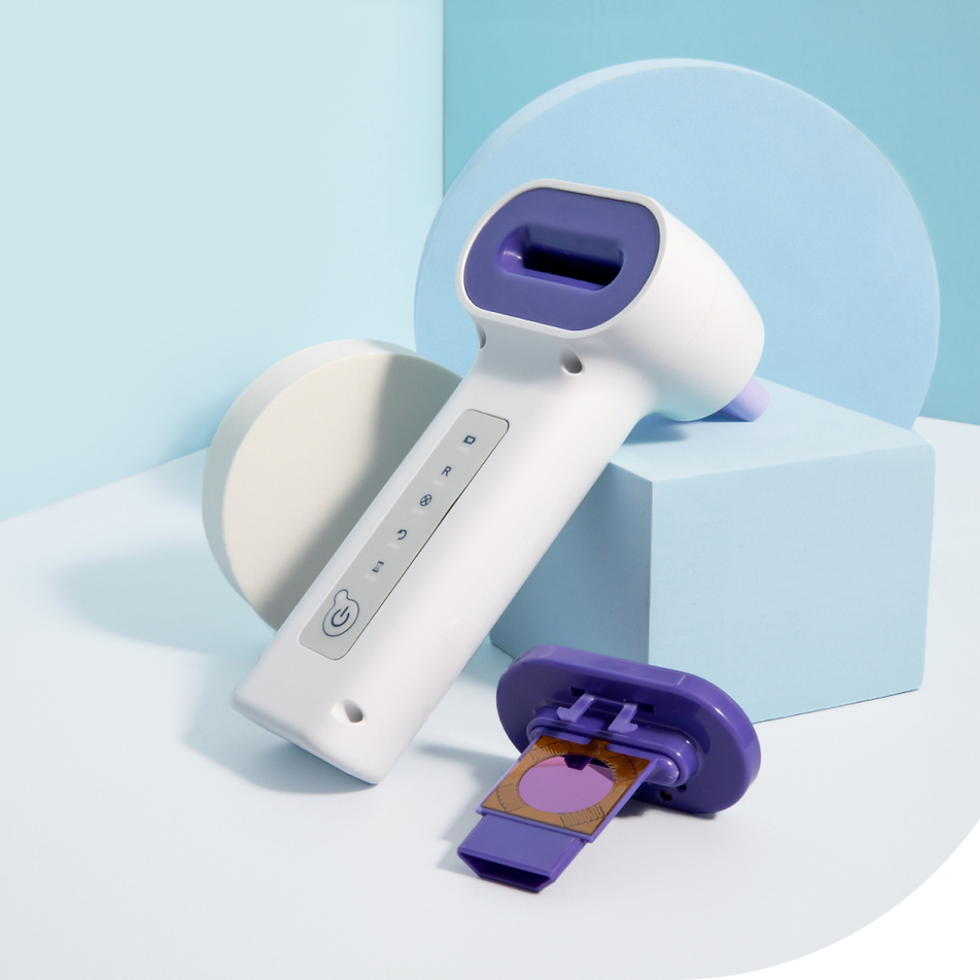
This funding will support the commercialization of the PRIMA brain–computer interface retinal implant and advance additional pipeline programs into clinical trials at Science Corporation. In studies, PRIMA restored form vision in patients with late-stage macular degeneration, with trial results published in The New England Journal of Medicine and featured on the cover of Time.
Beyond advancing PRIMA for patients, Science Corporation is expanding its research, manufacturing, and operational infrastructure, including development of its Biohybrid neural interface technology, Vessel perfusion platform, and growing MEMS Foundry and BCI Ecosystem businesses.
With the upcoming European launch of the PRIMA retinal implant, Science Corporation is set to become the first BCI company to commercialize a vision restoration product. Its Series C round reflects strong investor confidence in the company’s neural engineering and long-term medical vision.
Max Hodak, cofounder and CEO of Science Corporation, emphasized that the brain is central to medicine and must be addressed as an information-processing system to unlock transformative treatments. The company remains focused on developing technologies that create new therapeutic options and advance improvements in human health.
Darius Shahida, Chief Strategy Officer at Science Corporation, said the strong investor syndicate reflects both the urgency of the problems being addressed and confidence in the company’s execution. The new capital will support commercialization and clinical impact, with the goal of becoming the first BCI company to scale and achieve profitability.
Science Corporation is expanding its PRIMA clinical trial program to include additional retinal diseases such as Stargardt disease and Retinitis pigmentosa, two leading causes of inherited vision loss in young adults. Initial trials will be led by Matthew Simunovic at Sydney Eye Hospital in Sydney, Australia.
A European PRIMA clinical trial showed the implant could restore functional central vision in patients with advanced Age-related macular degeneration. Results published in The New England Journal of Medicine reported that 80% of participants achieved meaningful improvements in visual acuity.